



Educational Project
Welcome Educate Guide
of the individual
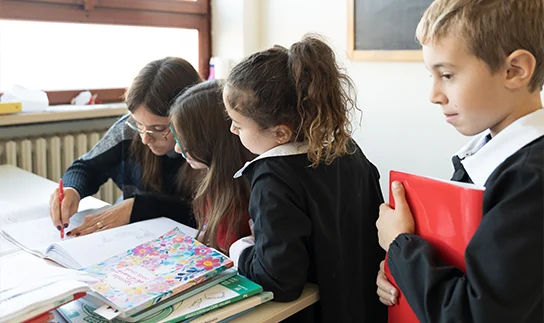
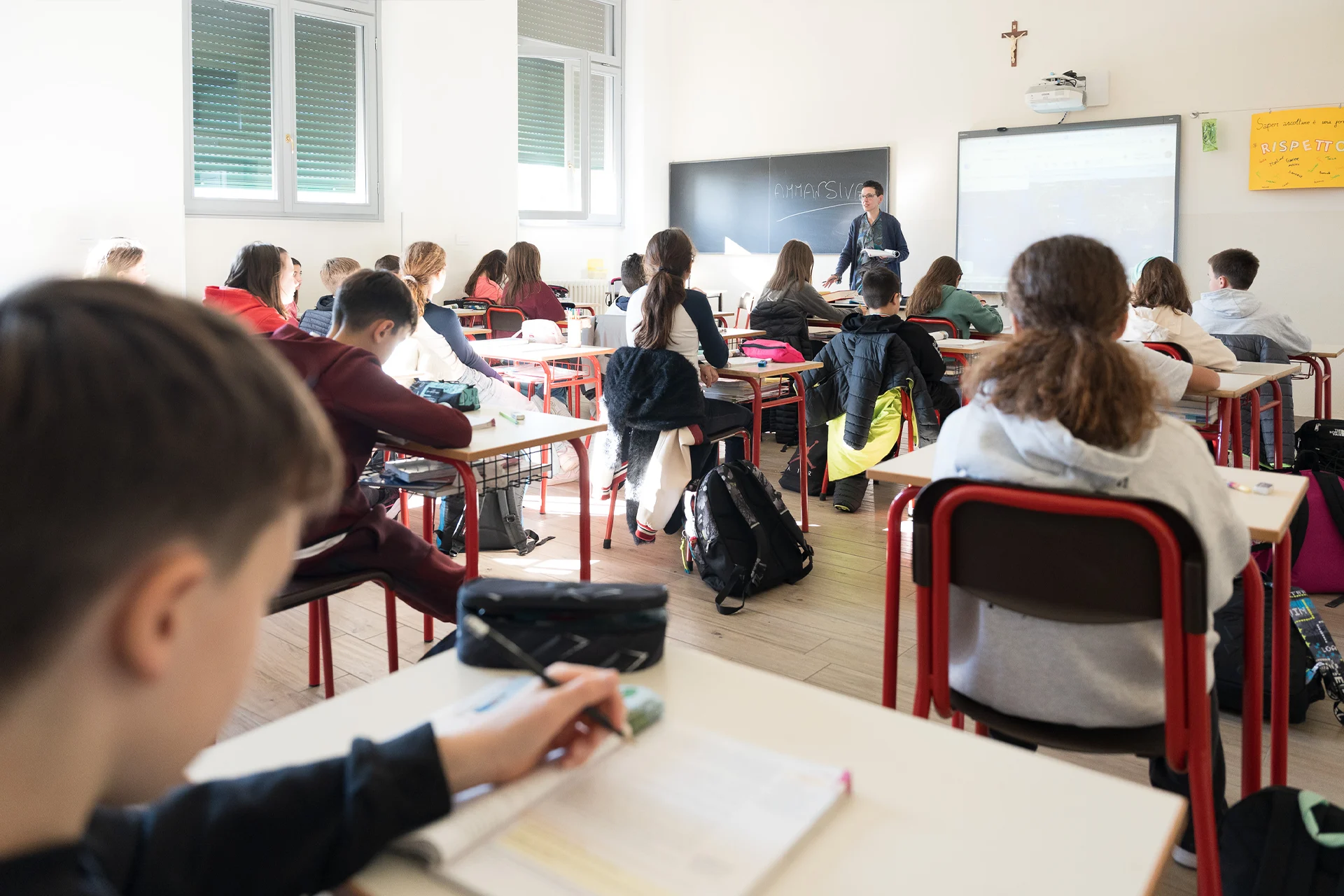
The Institute’s Educational Project focuses on the centrality of the person and the school’s commitment to cultivating the relationship with the student and their family, as well as with and among teachers. Emphasizing the centrality of the child or young person means identifying, respecting, and promoting their potential, and tailoring every intervention in light of their needs and resources. Reiterating the centrality of the learner means taking care of everything that allows for the personalization of educational and teaching proposals, making them accessible and effective, ensuring the full development of each individual’s potential, enhancing personal strengths, and addressing weaker ones. It is necessary to move away from the logic of ‘one size fits all’ and promote a perspective where everyone is given the opportunities they need to build their own skills.
between school and family
The Institute’s Educational Project focuses on the centrality of the person and the school’s commitment to cultivating the sphere of relationships with the student and their family, with and among teachers, and with the wider community. In our school, we want to grow together and thrive. We are aware that by helping others grow… we grow ourselves: our community is also strengthened by cultivating the value of the family and welcoming parents along with their children. Together, we create pathways to develop experiences that generate values and feelings. We believe in a network of communication and collaboration between family and school: for this reason, we propose common projects with shared meanings. In collaboration with psychologists and pedagogists, we periodically offer families informative meetings and in-depth sessions on developmental aspects and educational emergencies.
in experience
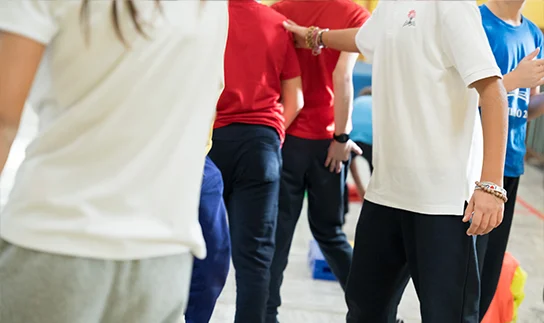
Gaining experience in school means accompanying the child and the young person as they bring their personal dimension into a community reality made of encounters, relationships, and emotions. So that every child or young person can observe, research, hypothesize, plan, experiment, discuss, argue their choices, negotiate with others, and build new meanings, it is essential to complement traditional teaching with a laboratory methodology, in which the laboratory is not intended as a separate moment or space, but as a habitual mode of teaching. Acting as true guides, teachers stimulate discovery, encounter, and exchange, becoming a strategic and decisive point of reference for the student, who, through their help, learns to read reality from different points of view and can thus explore the multiple territories of knowledge.
To develop and perfect all the powers of man (…),
to excite his imagination with beauty (…), to improve his will with the love of good (…),
to make him industrious, educated, honest (…): this is what it means to educate man.
“Save the Child”
Don Carlo San Martino, 1885.
In all school levels, we offer learning environments that are places of experience and training: vertical curricula, laboratories, interdisciplinary and continuity projects, openness and interaction with the local area and institutions, and guidance intended as a “compass” to accompany children, young people, and families through all the “growth spurts.”
Linguistics
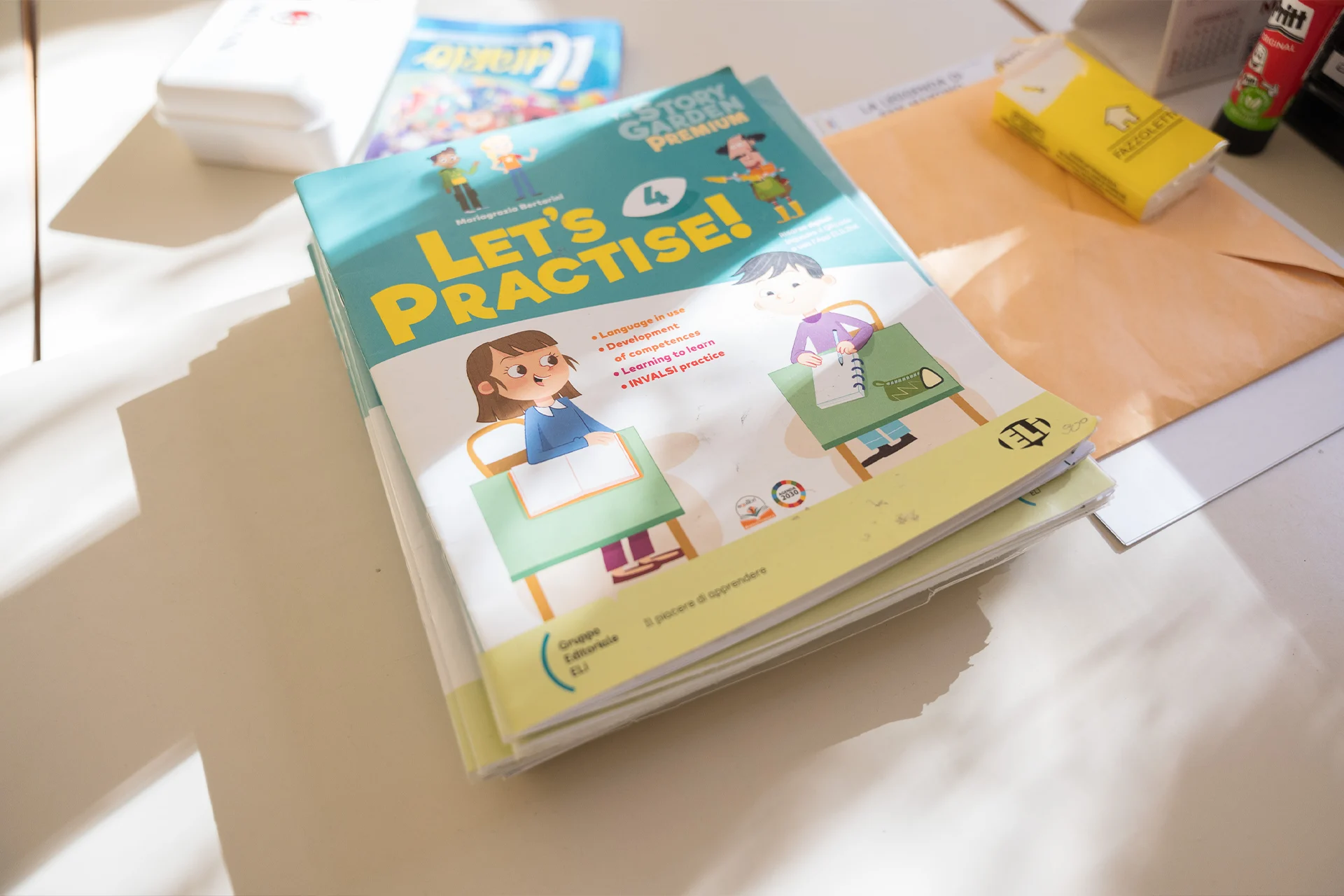
An enhanced English language program that leads students to use English as a medium, means, and tool for learning various subjects. Speaking, writing, and above all thinking in English becomes a skill constantly practiced and developed across different educational fields. We also pay close attention to the strong link between language and culture, which leads to the development of general knowledge that is increasingly required in the educational and training path of those who, one day, will find themselves moving, working, and living in a globalized world.
Humanities
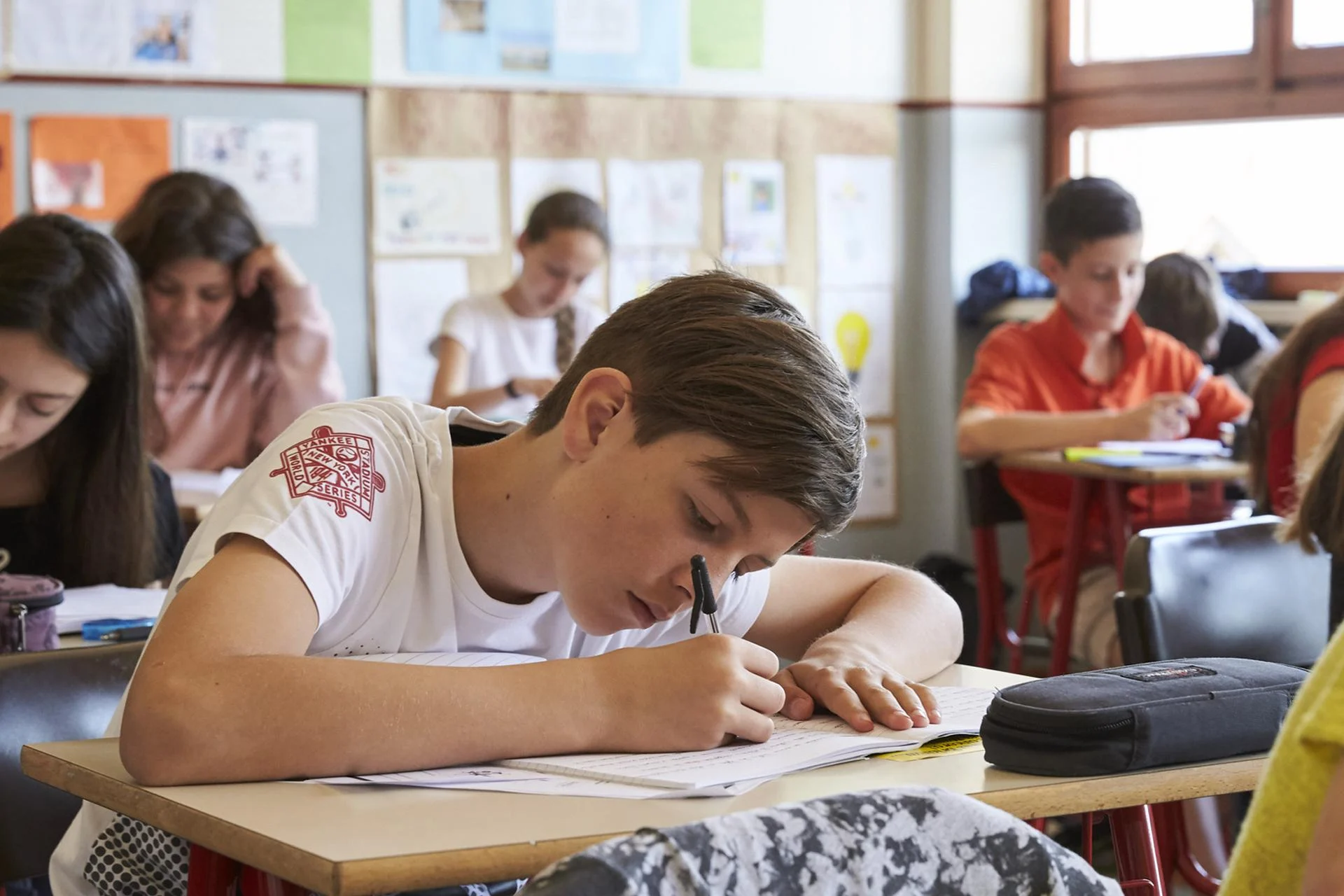
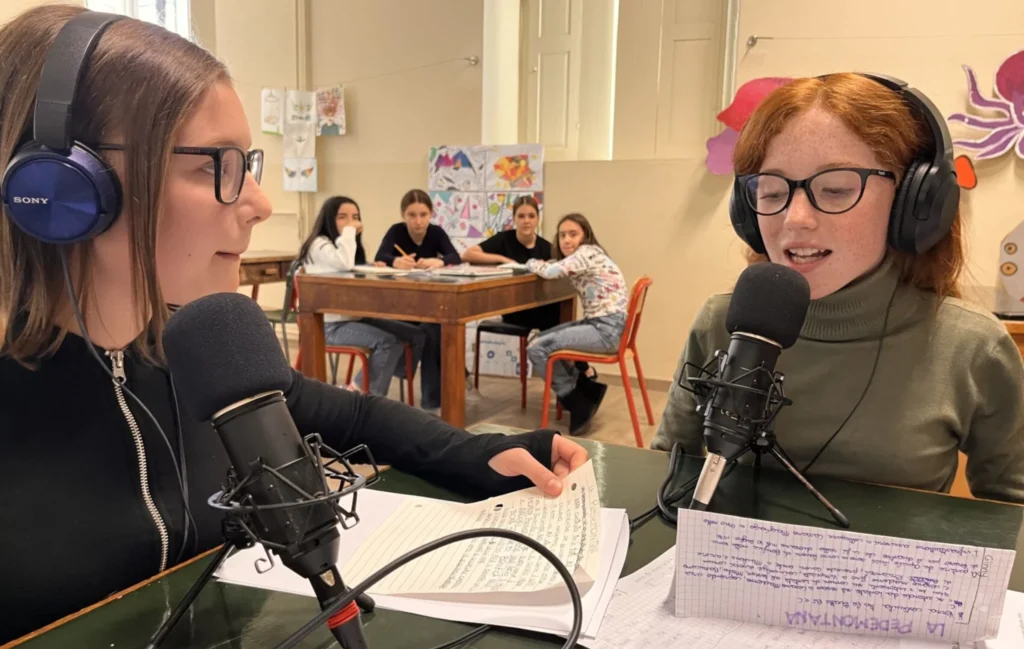
We accompany each student on their own journey to discover reading and writing as keys to knowing the world, recognizing themselves within it, and finding and expressing their own voice. Working on and manipulating texts, comparing and understanding them, constructing written and oral texts, and presenting them clearly are the strategies used to achieve competence goals related to the Italian language: the ability to identify, understand, express, create, and interpret concepts, feelings, and opinions, in both oral and written form, using visual, sound, and digital materials drawing from various disciplines and contexts.
Scientific-Logical Mathematical-Technical
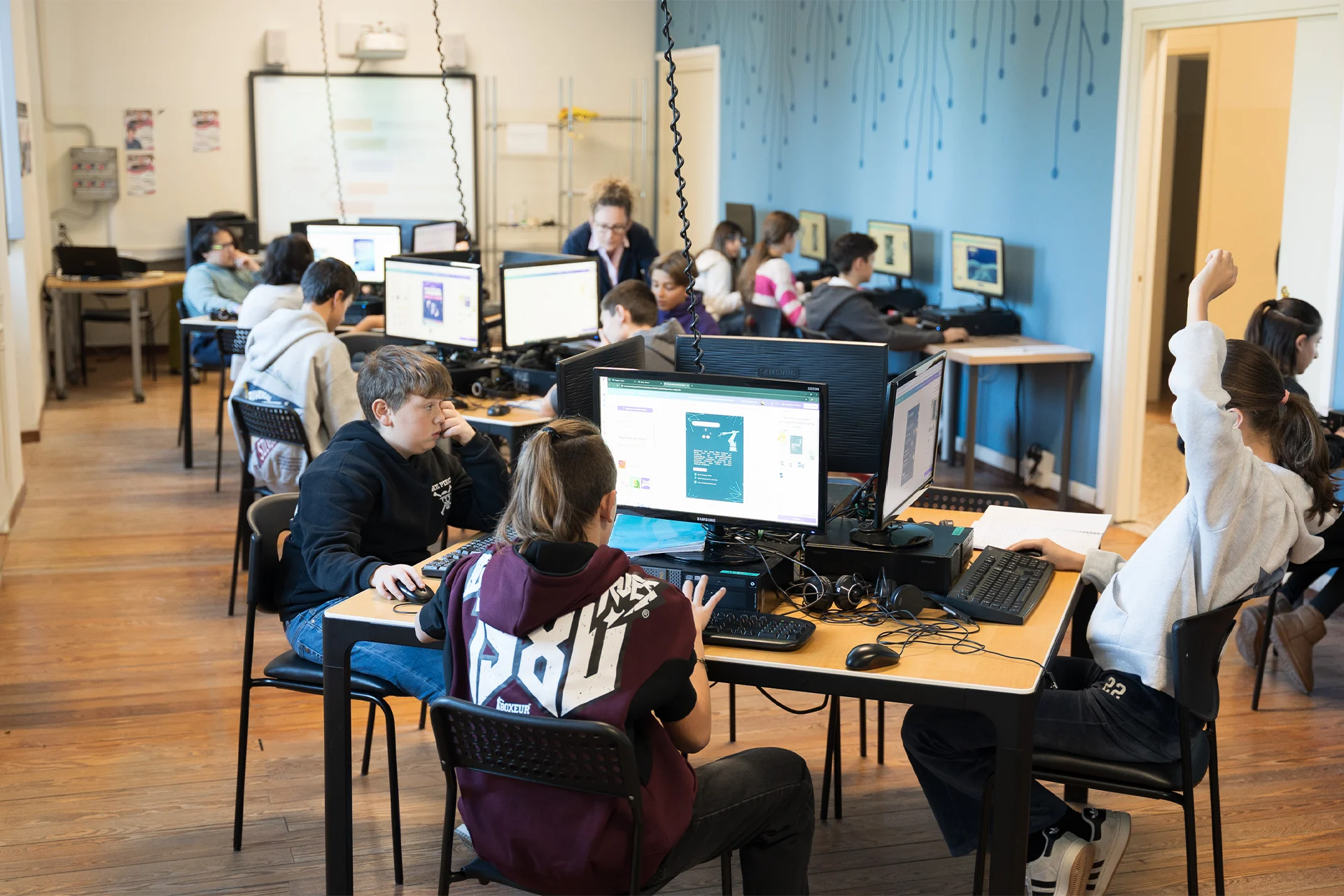
The teaching of technological-scientific disciplines aims to make students competent and help them acquire logical and computational thinking that guides them toward problem-solving in real-world contexts. The program involves all school levels. During the year, in addition to the activities each level provides to develop skills in the scientific field, vertical projects are carried out that allow students of all ages to interact and work together toward a common awareness goal. Furthermore, solidarity projects are implemented, aimed at active reflection on society’s most urgent problems with the goal of activating life skills that help them learn and live better, in harmony with the world and others.
Expressive and Motor Skills
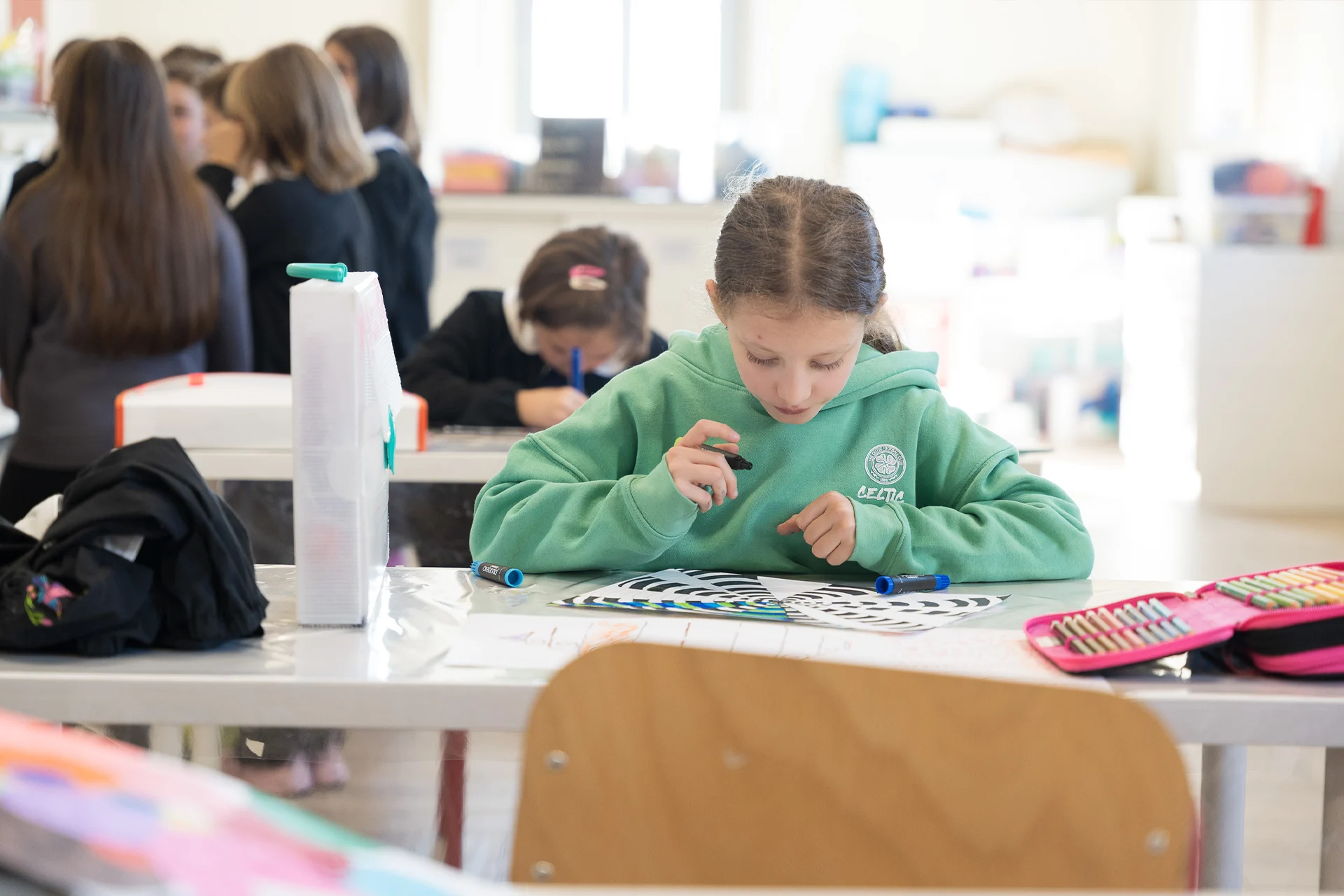
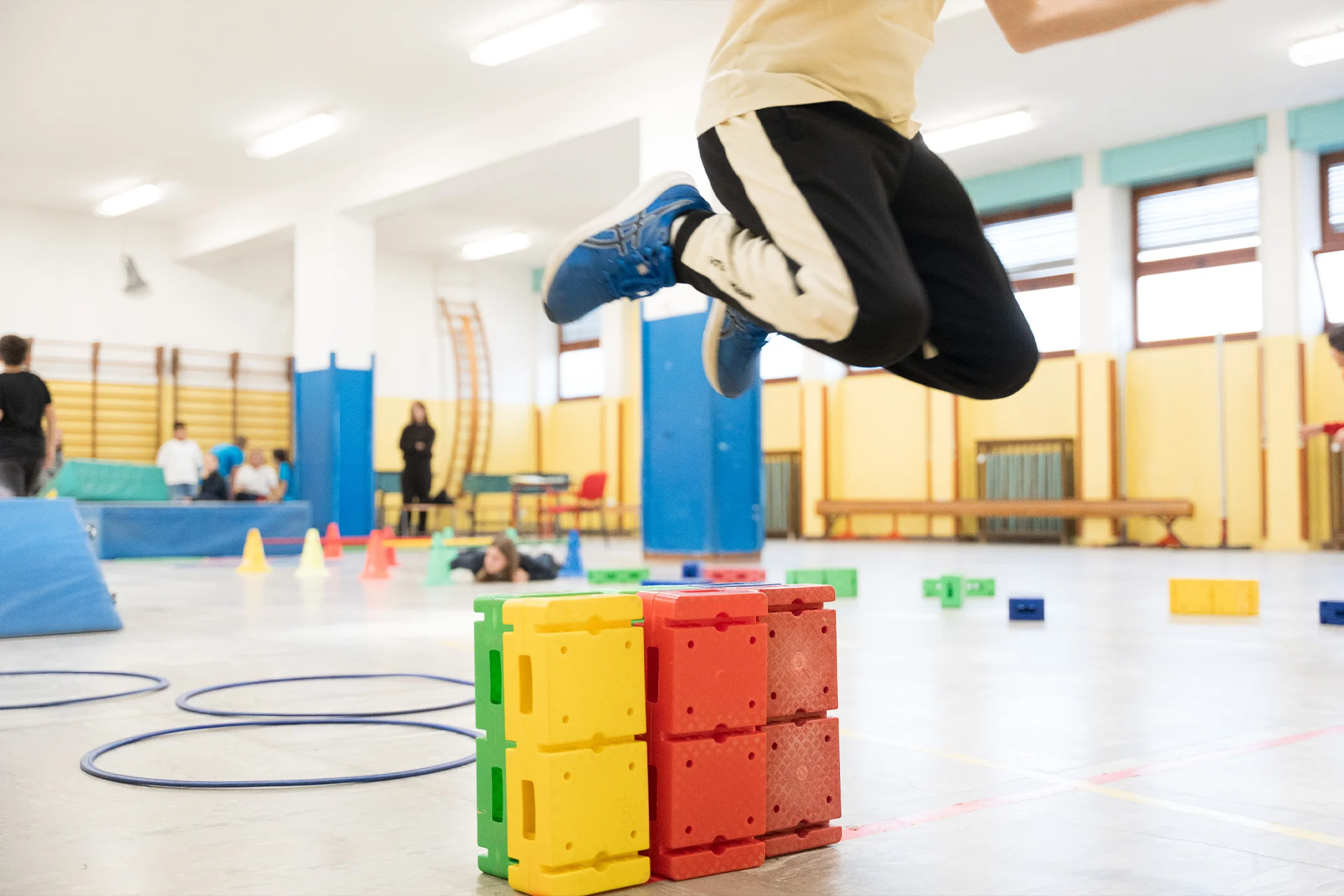
The teaching of creative-expressive disciplines aims to develop the student’s expressiveness and creativity, bringing out or refining predispositions or talents for conscious and balanced growth from a physical, emotional, and cognitive perspective. The subject areas involved are music, art and image, and physical education—areas where creativity and expressiveness are the primary tools for developing self-awareness and one’s own potential by refining proprioception and sensitivity and, for older students, developing critical thinking. Practice and training are at the heart of these skills: perseverance, concentration, and respect for oneself and others are taught. Laboratory-based teaching is essential, involving cooperative learning methodologies designed to develop relational skills of collaboration and exchange, favoring cooperation and socialization processes. The study of history and cultural tradition—whether artistic, musical, or sporting—refines the ability of older students to decode the numerous inputs coming from different socio-cultural contexts.
We accompany each student on their journey to discover reading and writing as keys to knowing the world, recognizing themselves within it, and finding and expressing their own voice. Working with texts and manipulating them, comparing and understanding them, constructing written and oral texts, and presenting them clearly are the strategies used to achieve the proficiency goals related to the Italian language: the ability to identify, understand, express, create, and interpret concepts, feelings, and opinions, in both oral and written form, using visual, sound, and digital materials drawing from various disciplines and contexts.
An enhanced English language program that leads students to use English as a medium, means, and tool in learning various subjects. Speaking, writing, and above all, thinking in English becomes a skill constantly practiced and developed in different areas of education. We also pay close attention to the strong link between language and culture, which leads to the development of general knowledge that is increasingly required in the educational and professional path of those who will one day find themselves moving, working, and living in a globalized world.
The teaching of creative-expressive disciplines aims to develop the student’s expressiveness and creativity by bringing out or refining predispositions or talents, for conscious and balanced growth from a physical, emotional, and cognitive point of view. The subject areas involved are music, art and image, and physical education—areas where creativity and expressiveness are the primary tools for developing self-awareness and potential by refining proprioception and sensitivity and, for older students, developing critical thinking. Practice and training are the basis of these skills: perseverance, concentration, and respect for oneself and others are taught. Essential is the laboratory teaching which includes cooperative learning methodologies designed to develop relational skills of collaboration and comparison, favoring processes of cooperation and socialization. The study of history and cultural tradition, whether artistic, musical, or sporting, refines the ability of older students to decode the numerous inputs coming from different socio-cultural contexts.
The teaching of technological-scientific disciplines aims to make students competent and to help them acquire logical and computational thinking that guides them toward problem-solving in real-world contexts. The path involves all school levels. During the year, in addition to the activities that each level provides to develop skills in the scientific field, vertical projects are carried out that allow students of all ages to interact and work together for a common awareness goal. Solidarity projects are also implemented, aimed at active reflection on the most urgent problems of society with the goal of activating those life skills that help people learn and live better, in harmony with the world and with others.
Three-year Plan of the Educational Offer

School system
From nursery to lower secondary school, we accompany students along a path of training and education.
In the Spring Section, a window of opportunity opens that transforms abilities into skills. It is a transition from knowing how to do things to the awareness of knowing how to do that specific thing.
In our Nursery School, we welcome children and accompany them into a new environment and in their relationships with other students, teaching them to recognize emotions, feelings, and personal needs.
In Primary School, children grow through self-awareness and develop their inclinations, in a journey full of experiences and emotions that lasts 5 years.
In Lower Secondary School, pre-adolescents grow through interaction with others, recognize their potential, develop their aptitudes, and orient themselves toward building a personal life project.
There is a special way to learn that goes beyond…
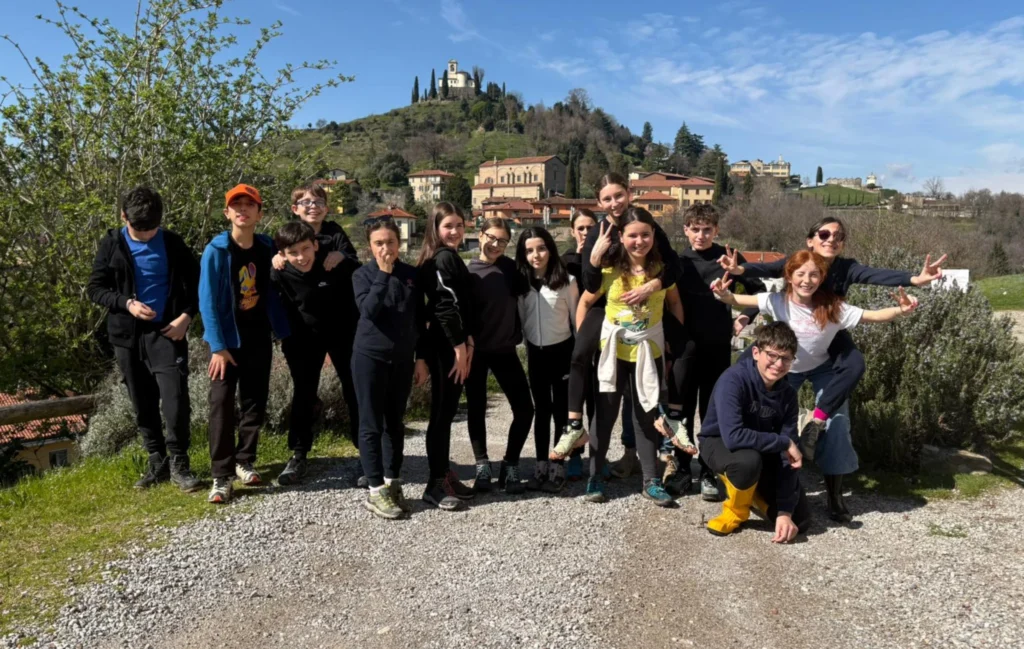
There are lessons learned at school desks and others that…
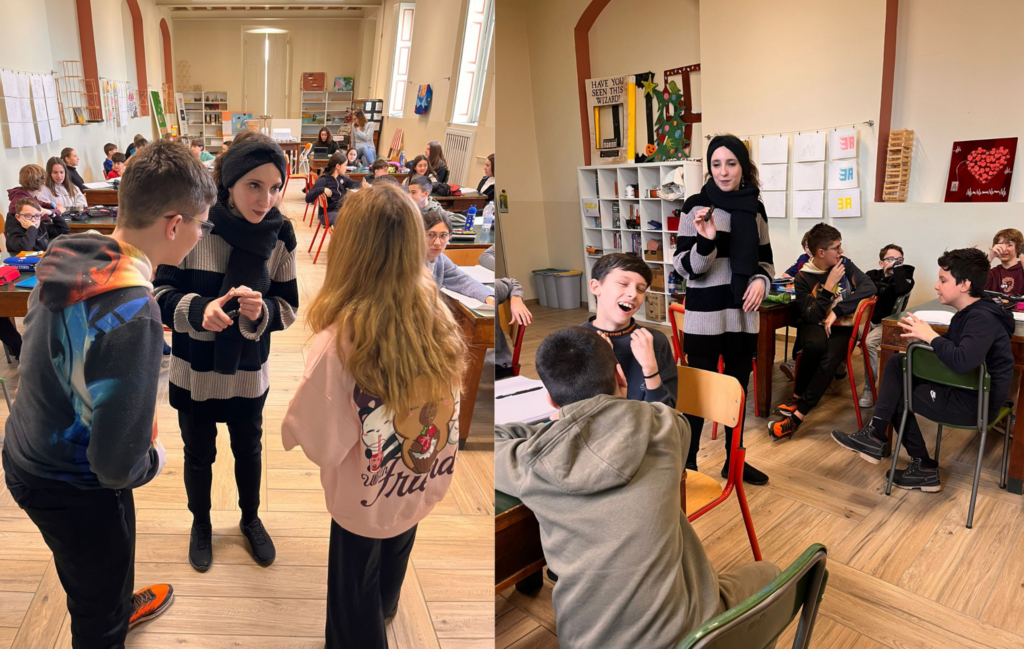
With the start of the new year, Scuola Don Carlo…
Request information
Contact us for information about our extracurricular activities